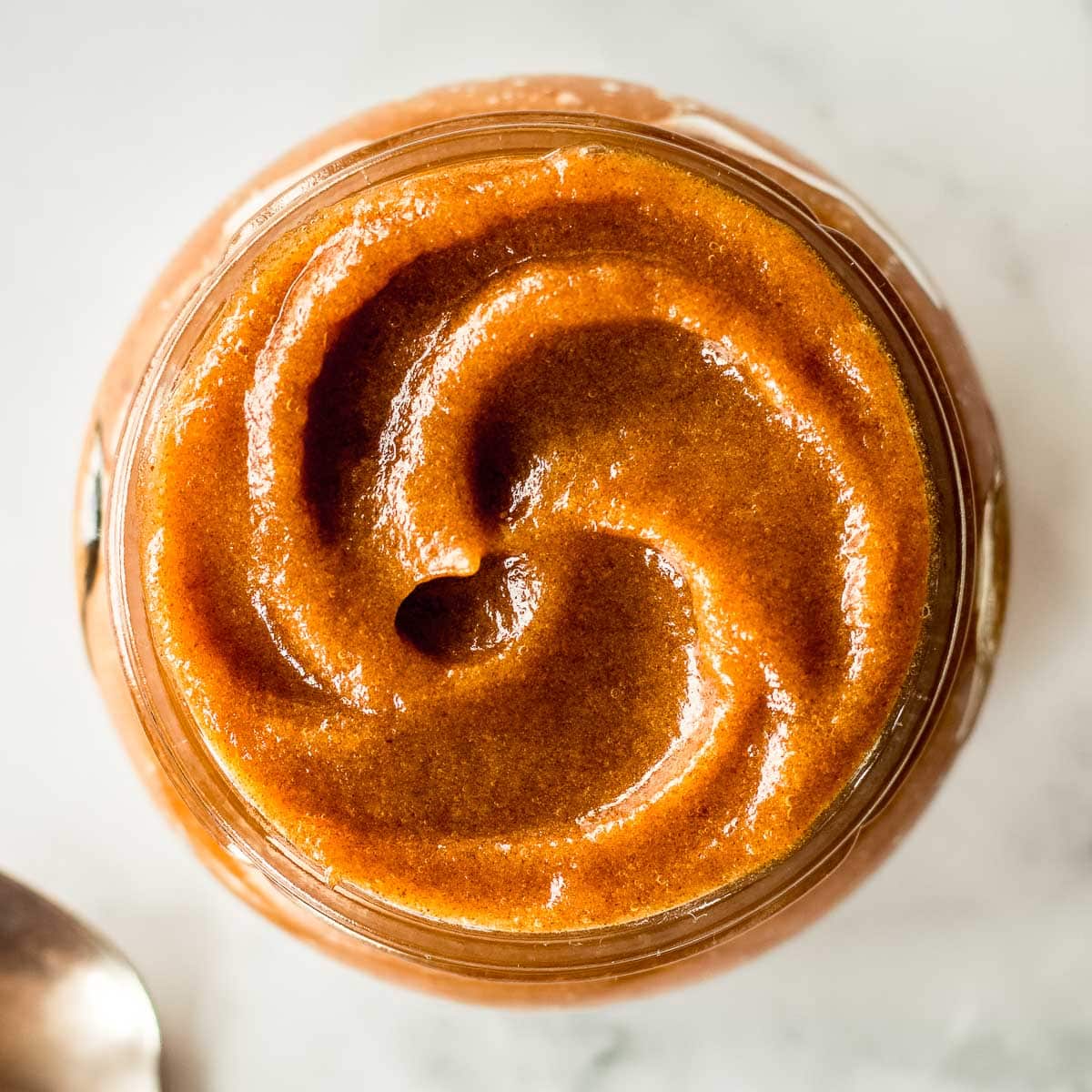
Unlock Date Paste's Potential: Sweeten Drinks & Baked Goods Naturally
In a world increasingly conscious of sugar's impact on health, the quest for a genuinely wholesome and delicious alternative is more pressing than ever. Enter date paste – a simple, two-ingredient wonder that's revolutionizing the way we sweeten our favorite foods and beverages. Far more than just a sweet syrup or refined sugar, date paste offers a nutrient-rich, fiber-packed solution that not only satisfies your sweet tooth but also contributes positively to your well-being. If you're looking to
make date paste your 15-minute guide to a healthy sugar swap, you're in the right place.
This article will guide you through understanding the magic of date paste, why it's a superior choice for your health, and how to seamlessly integrate it into your daily cooking and baking. Say goodbye to guilt-laden sweetness and hello to the rich, caramel notes of nature's finest sweetener.
What is Date Paste and Why is it So Special?
At its core, date paste is a blended mixture of whole dates and water, transforming a dried fruit into a smooth, thick, and wonderfully sweet puree. What makes it truly special, however, is its fundamental difference from most other sweeteners: it's a
whole food. Unlike refined white sugar, high-fructose corn syrup, or even concentrated natural syrups like maple and agave, date paste retains all the goodness of the entire fruit. This means you're not just getting natural sugars; you're also getting the accompanying fiber, vitamins, and minerals that dates naturally provide.
The process to make date paste healthy sugar substitute is incredibly straightforward, often taking less than 15 minutes from start to finish. This ease of preparation, combined with the relatively low cost of dates compared to some specialty sweeteners, makes it an accessible option for anyone looking to improve their diet. Its rich, caramel-like sweetness is versatile enough to elevate everything from your morning coffee to elaborate desserts, offering a depth of flavor that many alternative sweeteners simply can't match. Once you experience its creamy texture and delightful taste, you'll understand why it's considered by many to be the ultimate natural sweetener.
The Nutritional Powerhouse: Why Date Paste is Good for You
The appeal of date paste extends far beyond its delicious taste and ease of use; its true strength lies in its remarkable nutritional profile. When you choose to make date paste healthy sugar substitute for your recipes, you're opting for a sweetener that actively contributes to your health.
Here’s why dates, and by extension date paste, are a nutritional powerhouse:
- High in Fiber: One of the most significant benefits is its high fiber content. Unlike most refined sugars and syrups, which offer little to no fiber, date paste provides a substantial amount. Fiber is crucial for digestive health, promoting regular bowel movements and preventing constipation. Furthermore, dietary fiber helps to slow down the absorption of sugars into the bloodstream, which means date paste causes a much gentler rise in blood sugar compared to refined sugars. This is a key reason why date paste vs. sugar demonstrates a clear win for health.
- Rich in Essential Minerals: Dates are a fantastic source of several vital minerals that play critical roles in bodily functions. These include:
- Potassium: Important for maintaining fluid balance, nerve signals, and muscle contractions, including those of the heart.
- Copper: Essential for energy production, iron metabolism, and brain health.
- Magnesium: Involved in over 300 enzymatic reactions, crucial for muscle and nerve function, blood glucose control, and blood pressure regulation.
- Manganese: Plays a role in bone formation, blood clotting, and reducing inflammation.
- B Vitamins: Dates also contain several B vitamins, such as B6, which are important for energy metabolism and brain function.
- Packed with Antioxidants: Dates are loaded with various antioxidants, including flavonoids, carotenoids, and phenolic acid. These compounds help protect your cells from damage caused by free radicals, which can reduce inflammation and lower the risk of chronic diseases.
By choosing date paste, you're not just adding sweetness; you're adding a medley of beneficial nutrients that contribute to overall vitality and well-being.
Mastering the Swap: How to Use Date Paste in Your Recipes
One of the most frequently asked questions about using date paste is how to substitute it for traditional sugars and syrups. While its versatility is undeniable, a direct 1:1 replacement isn't always the best approach due to differences in sweetness intensity and moisture content. Understanding these nuances is key to successfully integrating date paste into your culinary creations.
Sweetening Drinks
Date paste is a phenomenal liquid sweetener for beverages. Its creamy texture dissolves beautifully, leaving a rich, natural sweetness without any grainy residue.
- Hot Drinks: Stir it into your morning coffee, a comforting tea, or specialized lattes like a chai or pumpkin spice. The caramel notes of the date paste enhance these drinks beautifully.
- Cold Drinks: Blend it into smoothies, milkshakes, iced coffees, or even homemade lemonades. It provides body and sweetness.
- Replacement Ratio: Since date paste isn't quite as intensely sweet as refined sugar or highly concentrated syrups, you'll generally need to use more. A good starting point is to try substituting 1.5 to 2 times the amount of date paste for every unit of sugar or syrup called for in a drink recipe. For example, if a recipe calls for 1 teaspoon of sugar, start with 1.5 to 2 teaspoons of date paste. Adjust to taste.
Baking and Desserts
Baking with date paste can transform your treats into healthier, more wholesome delights. However, due to its moisture content, a little adjustment might be necessary.
- Replacement Ratio: Similar to drinks, aim for 1.5 to 2 times the amount of date paste when replacing granulated sugar or syrups in baked goods. This compensates for the slightly lower sweetness.
- Moisture Considerations: Date paste is a liquid sweetener. This means it adds significant moisture to your batter or dough. For best results, consider using date paste in recipes that:
- Already call for liquid sweeteners (like honey, maple syrup, or molasses).
- Are more forgiving with moisture, such as muffins, quick breads, brownies, or certain types of cookies.
- Specifically recommend date paste as an ingredient.
If you're converting a recipe that uses granulated sugar, you might need to slightly reduce other liquid components (like milk, water, or oil) to maintain the desired consistency. Start by reducing other liquids by about 1/4 to 1/3 of the amount of date paste you added.
- Texture Impact: Date paste can lend a wonderfully soft, moist, and chewy texture to baked goods. It might make cookies a bit softer and cakes incredibly moist.
- Flavor Profile: While some find the date flavor indistinct when mixed, others appreciate the subtle, earthy caramel notes it imparts, which can beautifully complement chocolate, nuts, and spices.
Don't be afraid to experiment! Start with familiar recipes and make small adjustments to find your perfect balance.
Crafting Your Own Healthy Sweetener: A Simple Guide
One of the most appealing aspects of date paste is its incredibly simple preparation. With just two ingredients and a few minutes, you can create a batch of this healthy sugar substitute that's ready to enhance all your culinary endeavors.
Ingredients:
- Whole Dates: The star of the show! Any variety of date will work, though they each offer slightly different characteristics.
- Medjool Dates: Large, soft, and very sweet, Medjool dates create a wonderfully creamy paste. They are often more expensive.
- Deglet Noor or Cheaper Varieties: Smaller, firmer, and often less sweet, these are a more budget-friendly option. They may require a slightly longer soak time to soften adequately. Regardless of the type, ensure your dates are pitted before use. If you buy them with pits, simply slit them lengthwise and remove the pit.
- Hot Water: Plain hot water is all you need. Using hot water helps to soften the dates quickly, making them easier to blend into a smooth paste.
How to Make Date Paste: Step-by-Step
1.
Soak the Dates: Place your pitted dates in a heatproof bowl. Pour enough hot (preferably boiled) water over the dates to fully submerge them, typically about ¾ to 1 cup of water per cup of dates. Let them soak for at least 10-15 minutes. For firmer dates, you might want to extend the soaking time to 20-30 minutes, or even longer if using cold water. The goal is for the dates to become very soft and pliable.
2.
Drain and Blend: Once softened, drain the dates, reserving the soaking water. Transfer the softened dates to a high-speed blender or food processor.
3.
Add Water Gradually: Start by adding a small amount of the reserved soaking water (e.g., ¼ cup for every cup of dates). Begin to blend, scraping down the sides as needed.
4.
Achieve Desired Consistency: Continue adding the reserved water, a tablespoon at a time, until you reach your desired consistency. For a thicker paste suitable for spreading or baking where less moisture is preferred, use less water. For a thinner, more pourable syrup-like consistency ideal for drinks, add more water. A powerful blender will yield the smoothest paste.
5.
Store: Transfer your homemade date paste to an airtight container. It will keep well in the refrigerator for up to 2-3 weeks. For longer storage, you can freeze it in smaller portions (like in an ice cube tray) for several months.
Conclusion
Date paste is a remarkable gift from nature, offering a wholesome, nutrient-dense alternative to refined sugars and artificial sweeteners. Its rich caramel flavor, coupled with its impressive profile of fiber, minerals, and antioxidants, makes it a superior choice for anyone looking to embrace a healthier lifestyle without sacrificing sweetness. By learning to
make date paste your 15-minute guide to a healthy sugar swap and understanding how to effectively incorporate it into your cooking and baking, you're not just making a dietary change; you're unlocking a world of natural flavor and well-being. So, go ahead, try your hand at crafting this simple yet powerful sweetener, and discover the sweet difference it can make in your daily life.